Leave A Message
If you are interested in our products and want to know more details,please leave a message here,we will reply you as soon as we can.

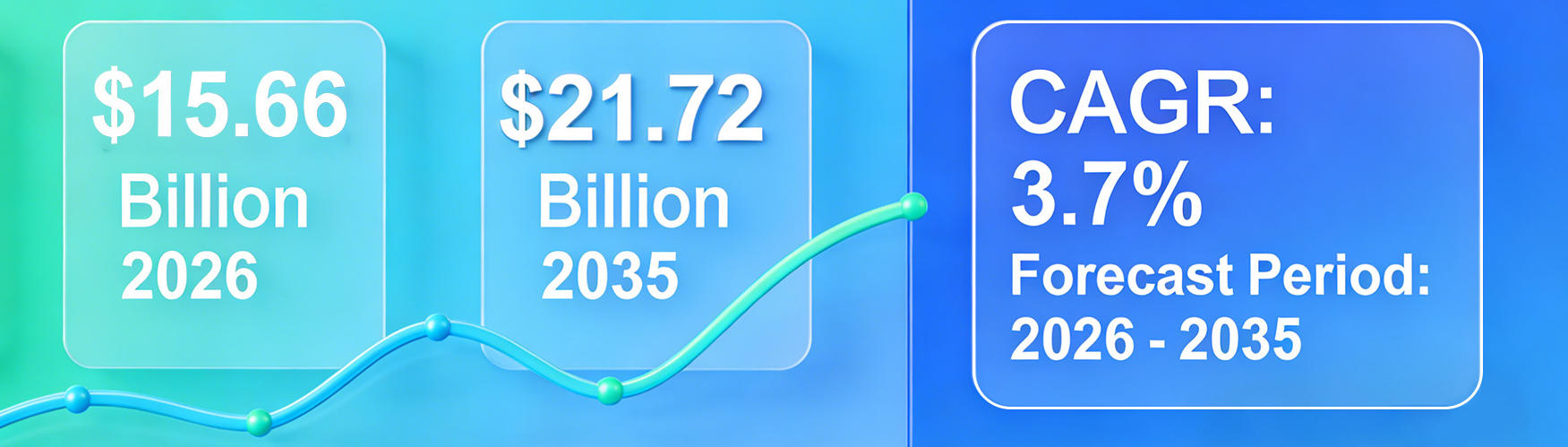
Driven by the rising frequency of travel, urban mobility and lifestyle-oriented consumption, the global luggage market is expanding steadily. Valued at 15.1 billion US dollars in 2025, the luggage market is projected to reach nearly 15.66 billion US dollars in 2026 with a year-on-year growth of about 3.7%, and further hit around 16.24 billion US dollars in 2027. Looking ahead to 2035, it will surge to approximately 21.72 billion US dollars, maintaining a compound annual growth rate (CAGR) of 3.7% from 2026 to 2035. Consumer preferences are evolving noticeably: over 64% of travelers favor lightweight and durable luggage for frequent trips, while more than 51% take smart features like anti-theft zippers and tracking integration into account when purchasing luggage. The market is also bolstered by a nearly 46% rise in tourism-related spending and online channels accounting for over 40% of total luggage sales, fueling its expansion in both leisure and business travel sectors.
The US luggage market is witnessing robust growth, backed by nearly 50% of consumers traveling domestically or internationally each year. Around 45% of American buyers prefer suitcases with advanced features such as smart tracking and lightweight materials, and e-commerce channels contribute about 48% of the sales, mirroring the growing demand for convenience and product diversity. Business and leisure travel drive the market demand equally, with 30% of consumers prioritizing durability and design when choosing luggage.
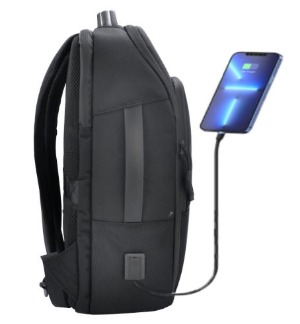 |
Technology and sustainability are at the forefront of the fast-evolving luggage market. Consumers are increasingly seeking luggage products that combine durability with smart functions like GPS tracking and USB charging, and the shift to eco-friendly materials is reshaping manufacturers’ luggage product development strategies. The booming tourism industry, especially in emerging markets, is expanding the luggage customer base, and digital sales channels play a pivotal role, making up half of the luggage market purchases and offering consumers easy access to a wide range of luggage products. This evolving landscape fosters innovation and competitive dynamics within the luggage industry. |
Globally, about 45% of consumers now opt for lightweight and durable suitcases, reflecting a shift towards convenience and portability. Soft-sided luggage accounts for nearly 55% of total market demand due to its flexibility and easy storage, and around 40% of buyers prioritize smart luggage equipped with USB charging ports and GPS tracking, indicating the rising adoption of technology in travel accessories and luggage. Urbanization has led to a 35% increase in demand for backpacks and travel handbags among millennials, who favor multi-functional and stylish luggage bags for both travel and daily use. Sustainability has also become a key factor, with 30% of consumers preferring luggage made from eco-friendly materials such as recycled polyester and vegan leather. Regionally, the Asia-Pacific region holds approximately 38% of the global luggage market share, driven by the growth of outbound tourism and the expanding middle class. E-commerce growth further supports luggage market expansion, with nearly 50% of luggage purchases made online.
However, the luggage market faces notable constraints and challenges. Price sensitivity remains a major issue: around 50% of consumers prefer affordable luggage options over premium products, which hinders the adoption of advanced smart luggage, with nearly 38% of buyers reluctant to invest in high-priced luggage items despite their technical features. Additionally, 42% of luggage shoppers are influenced by frequent discounts and promotions, posing challenges for manufacturers to maintain profit margins while meeting consumer expectations for luggage. The luggage industry also grapples with surging raw material and production costs—costs of materials like polycarbonate and aluminum for luggage production have risen by about 30% recently. Nearly 45% of luggage manufacturers report difficulties in balancing cost and quality, impacting luggage product pricing, and supply chain disruptions have caused delivery delays for 37% of luggage companies, limiting their ability to meet the growing market demand for luggage effectively.
 |
By product type, spinner suitcases dominate the luggage market with a 48% share due to their mobility and convenience, travel bags account for nearly 30% and are favored by short-distance travelers for their compact and multi-functional design, and duffel bags make up about 22%, ideal for leisure and fitness use in the luggage category. In terms of application, travel remains the leading segment for luggage with a 55% market share amid growing global leisure and business travel, business use accounts for nearly 28% as professionals need stylish and practical business luggage bags, and other applications such as daily commuting and outdoor activities make up about 17% of the luggage market demand, reflecting the need for multi-functional luggage. |
Amid the favorable market dynamics, the global luggage market offers abundant investment opportunities. Around 42% of consumers are shifting to high-end smart luggage, creating a lucrative segment for investors focused on technology integration in luggage. Emerging economies, especially in the Asia-Pacific, account for nearly 38% of global luggage market demand driven by rising disposable income and outbound tourism. The shift to sustainable materials has influenced the preferences of about 33% of luggage buyers, opening avenues for green luggage product development and investment. E-commerce growth, with nearly 50% of luggage purchases online, enables new market entrants to leverage digital platforms for luggage sales. Furthermore, the growing demand for multi-functional and lightweight luggage bags among 40% of global consumers encourages innovation in luggage product design and material use, providing ample room for strategic investment and expansion across luggage product lines and regions. The global luggage market is poised for continuous growth, with innovation, sustainability and digitalization set to be the core drivers shaping the future development of the luggage industry.
Partner with a reliable luggage manufacturer to tap into the soaring demand for lightweight and smart suitcases. Reach out to our team today to view our latest wholesale catalogs and bespoke OEM/ODM solutions.
Leave A Message
Scan to Wechat :

Scan to WhatsApp :