
How to Customize Your Own Luggage Brand: The Complete B2B Guide for Building a Successful Private Label Luggage Business
The global luggage market is evolving rapidly. Today's consumers no longer purchase suitcases solely for functionality—they expect products that reflect their lifestyle, personal identity, and travel habits. This shift has created significant opportunities for retailers, eCommerce brands, wholesalers, and entrepreneurs looking to launch their own private label luggage collections.
However, creating a successful luggage brand requires far more than simply adding a logo to an existing product. From material selection and structural engineering to supply chain management and quality control, every decision impacts product quality, customer satisfaction, and long-term profitability.
This comprehensive guide explains everything B2B buyers need to know about custom luggage manufacturing, helping you build a competitive brand with confidence.
Phase 1: Choosing the Right Luggage Materials and Construction
The foundation of every successful luggage product begins with material selection. Your choice of materials directly affects durability, weight, appearance, production cost, and market positioning.
Most luggage products fall into two primary categories:
Hardshell Luggage
Popular among modern travelers due to their durability and sleek appearance.
Common materials include:
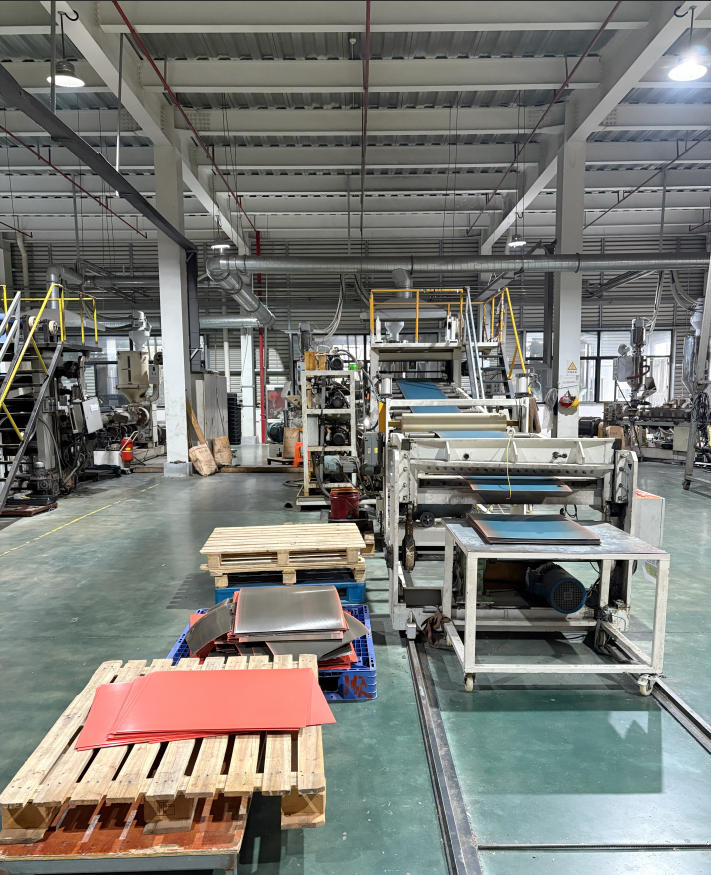 |
100% Virgin Polycarbonate (PC)
Polycarbonate is widely recognized as the premium material for modern hard-shell luggage.
Benefits include:
Unlike recycled plastic blends, virgin polycarbonate maintains its structural integrity over time, reducing cracking and warranty claims. |
Aluminum-Magnesium Alloy
Aluminum luggage occupies the luxury segment of the market.
Advantages include:
- Superior structural strength
- Enhanced security with frame-lock systems
- Premium appearance
- Long-term durability
Many luxury travel brands use aluminum luggage to target frequent business travelers and high-end consumers.
ABS & ABS/PC Composite Materials
For brands targeting the mid-range market, ABS and ABS/PC composite shells provide an effective balance between affordability and performance.
Benefits include:
- Lower manufacturing costs
- Good rigidity
- Attractive appearance
- Improved impact resistance when combined with PC layers
For many growing luggage brands, ABS/PC hybrid shells represent the ideal balance between price and quality.
Phase 2: Softside Luggage Materials for Business and Travel Markets
While hard-shell luggage dominates many retail channels, softside luggage remains highly popular among business travelers and outdoor enthusiasts.
Ballistic Nylon
Originally developed for military applications, ballistic nylon offers:
- High tear resistance
- Excellent puncture protection
- Strong seam durability
- Long service life
1680D ballistic nylon is considered an industry benchmark for premium softside luggage.
Cordura® Fabric
Cordura® fabrics are widely respected for their:
- Abrasion resistance
- Water resistance
- Lightweight construction
- Long-term durability
When combined with DWR (Durable Water Repellent) treatment and PU backing, Cordura creates luggage capable of performing in demanding travel conditions.
Phase 3: Component Engineering — Where Premium Luggage Brands Win
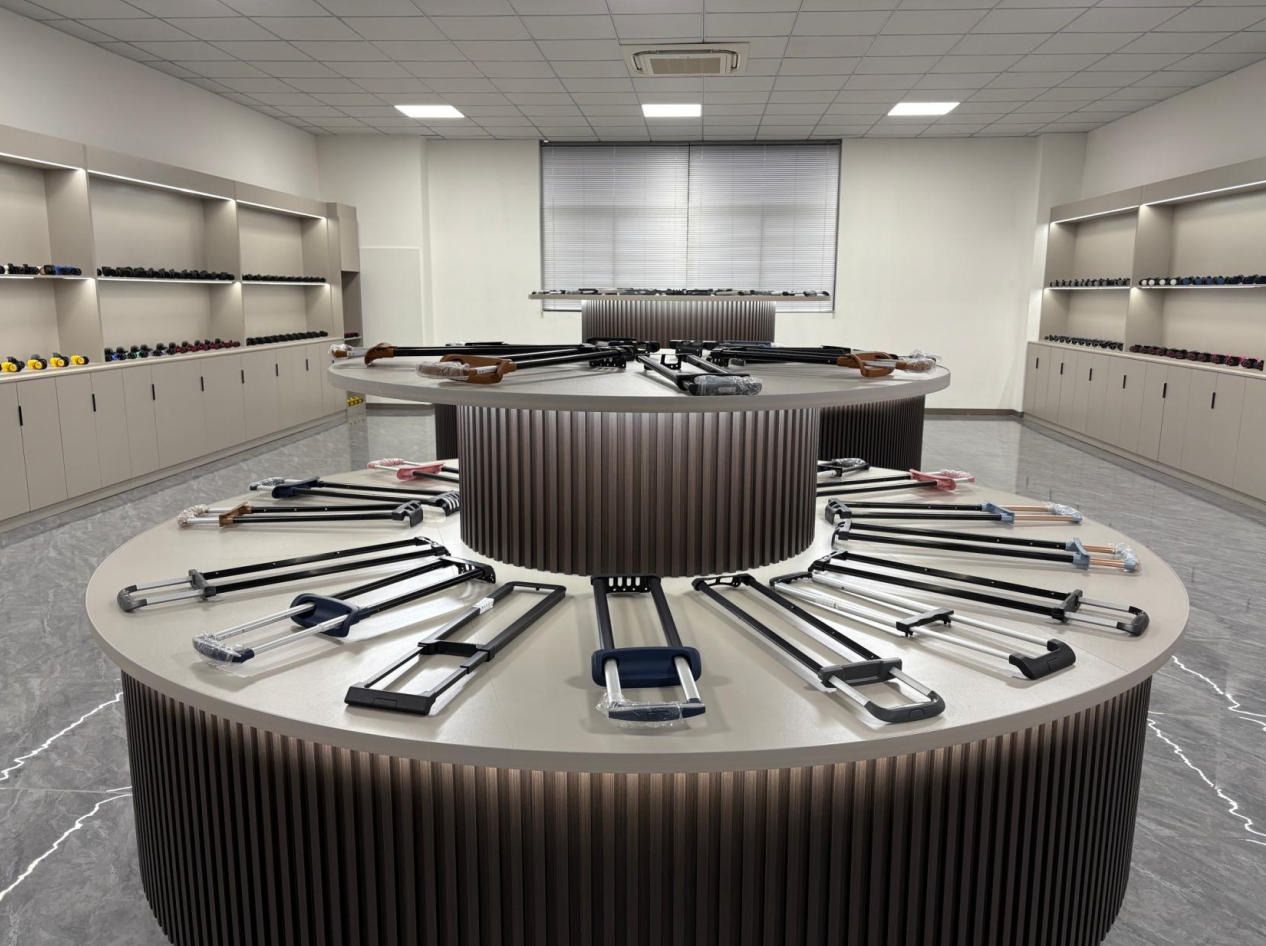 |
Many luggage buyers focus exclusively on shell materials while overlooking component quality. In reality, wheels, zippers, locks, and handles often determine customer satisfaction.
A premium suitcase should consist of: Shell Material |
Wheel Systems
Industry data consistently shows that wheel failure is among the most common causes of luggage returns.
When sourcing luggage products, prioritize:
- 360° dual spinner wheels
- Japanese bearing systems
- PU wheel treads
- Reinforced wheel housings
Premium wheel systems provide smoother movement, lower noise levels, and significantly longer service life.
Security Zippers
Cheap zippers can easily fail under pressure or even be punctured during travel.
Recommended options include:
- Anti-burst security zippers
- Double-coil zipper systems
- Reinforced zipper tracks
- Premium YKK zipper solutions
For luxury luggage, aluminum frame closures offer the highest level of security and durability.
TSA Locks
Integrated TSA-approved locks provide:
- Enhanced travel security
- Compliance with international airport inspection procedures
- Improved customer confidence
These features have become standard expectations in North American and European markets.
Telescopic Handles
Handle systems should feature:
- High-grade aluminum tubing
- Multi-stage height adjustment
- Anti-wobble construction
- Reinforced locking mechanisms
Poor-quality handles are one of the fastest ways to generate negative customer reviews.
Phase 4: Branding and Customization Options That Differentiate Your Luggage Line
Successful luggage brands compete on more than product specifications. Strong branding creates emotional connections and improves perceived value.
Exterior Branding Options
Professional manufacturers can customize:
- Embossed logos
- Metal logo plates
- Laser engraving
- Rubber badges
- Molded logo components
Interior Customization
Many brands overlook the interior experience.
Popular customization options include:
- Custom printed lining
- Brand story labels
- Hidden authentication tags
- Laptop compartments
- Compression straps
- Premium storage organizers
Color Customization
Using Pantone Matching System (PMS) colors allows brands to create:
- Signature collections
- Seasonal releases
- Corporate gift programs
- Regional market exclusives
These customization elements help create unique products while maintaining manufacturing efficiency.
If you're evaluating proven luggage designs before investing in new molds, explore our complete luggage range:
Phase 5: OEM vs ODM — Which Manufacturing Model Is Right for Your Business?
One of the most important decisions when launching a luggage brand is selecting the appropriate manufacturing approach.
ODM (Original Design Manufacturing)
ODM is ideal for:
- Amazon sellers
- eCommerce startups
- Retailers testing new markets
- Brands seeking faster launches
Benefits:
- Low development costs
- No mold investment
- Faster production timelines
- Lower financial risk
Typical launch timeline:
30–45 days
OEM (Original Equipment Manufacturing)
OEM is best suited for:
- Established brands
- Large retailers
- Innovative luggage concepts
- Businesses seeking exclusive products
Benefits:
- Proprietary product designs
- Exclusive molds
- Intellectual property ownership
- Greater market differentiation
Typical development timeline:
1–2 months
For many growing brands, ODM serves as the ideal first step before transitioning into fully customized OEM projects.
Phase 6: MOQ and Production Planning
One of the most common questions buyers ask is:
What Is the Minimum Order Quantity for Custom Luggage?
MOQ varies based on customization requirements.
| Customization Type | Typical MOQ |
| Logo Customization | 500–600 pcs |
| Color Customization | 500–600 pcs |
| Custom Lining | 500–600 pcs |
| New Mold Development | 500–600 pcs |
Understanding MOQ requirements early helps buyers plan budgets, inventory levels, and launch schedules more effectively.
Phase 7: Quality Testing Standards Every Buyer Should Verify
Before selecting a luggage manufacturer, verify that comprehensive quality testing procedures are in place.
Drop Testing
Evaluates shell durability under simulated baggage-handling impacts.
Wheel Mileage Testing
Measures wheel performance under extended rolling conditions.
Handle Fatigue Testing
Tests telescopic handle systems through thousands of repeated cycles.
Zipper Strength Testing
Validates zipper durability under continuous use.
Temperature Resistance Testing
Ensures luggage performance in extreme cold and hot environments.
Manufacturers that perform rigorous testing can significantly reduce product failures, customer complaints, and warranty costs.
Why More Brands Are Choosing Zabaggo
Building a successful luggage brand requires more than manufacturing capacity—it requires engineering expertise, quality assurance, and supply chain reliability.
At Zabaggo, we support global retailers, wholesalers, and private-label brands through:
Product Development Support
- CAD engineering
- 3D prototyping
- Material consultation
- Structural optimization
Flexible Production Solutions
- ODM manufacturing
- OEM development
- Scalable MOQ programs
- Multi-market product customization
End-to-End Logistics
- Quality inspection
- Export documentation
- DDP shipping solutions
- Global delivery support
Whether you're launching your first luggage collection or expanding an existing product line, our team helps transform concepts into market-ready products.
Learn more about our capabilities: