
Why MOQs Matter in Luggage Manufacturing: The Strategic Logic Behind Scalable Production
In today’s highly competitive global travel goods market, Minimum Order Quantity (MOQ) is far more than a standard purchasing requirement. In professional luggage manufacturing, MOQ directly affects production efficiency, product consistency, supply chain stability, customization capability, and long-term profitability. For European importers, wholesalers, and luggage brands sourcing from China, understanding the strategic value of MOQ is essential for building a scalable and cost-effective luggage business.
Understanding MOQ in the Luggage Industry
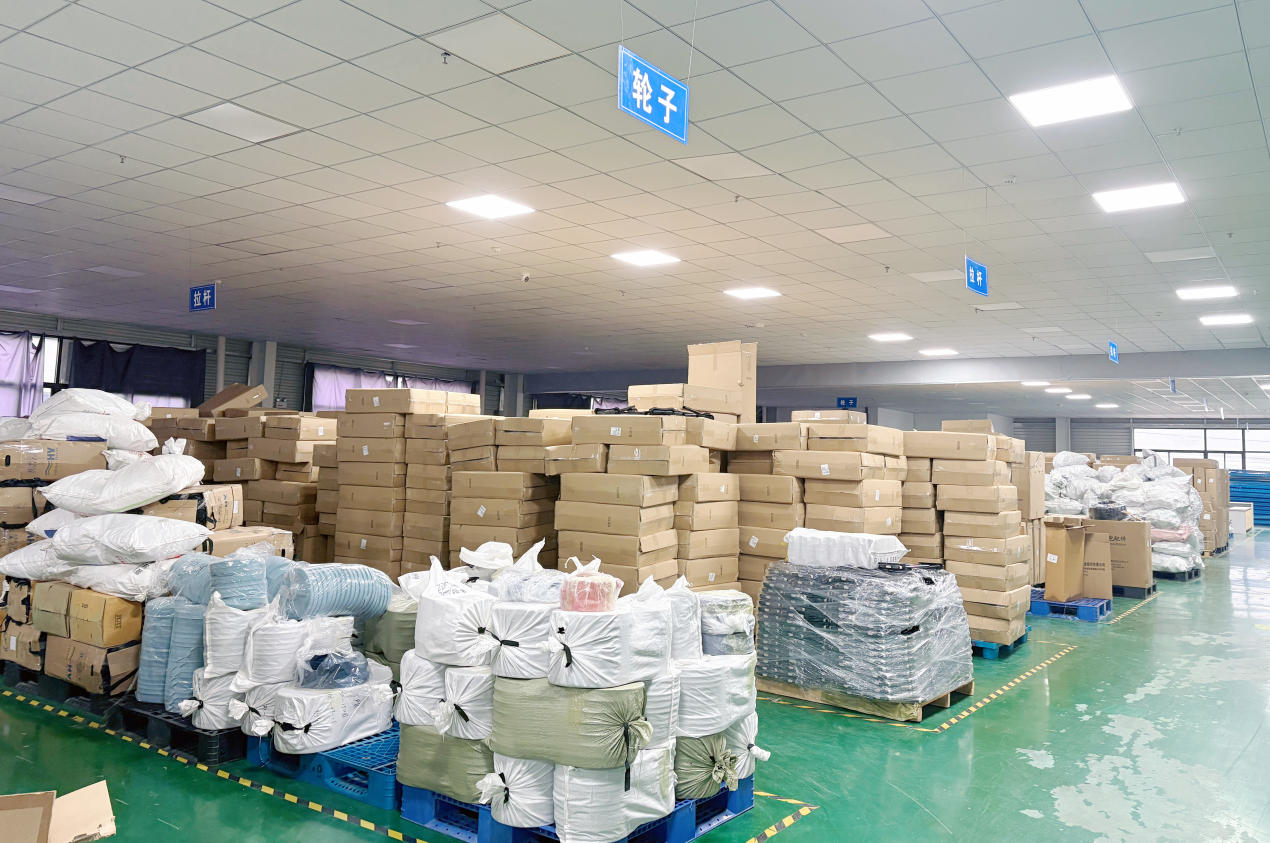
MOQ refers to the minimum production quantity required by a luggage manufacturer to begin mass production. In OEM and ODM luggage projects, factories must invest significant resources before production starts, including mold preparation, machine calibration, material sourcing, labor scheduling, and quality control setup.
 |
Unlike simple consumer products, luggage manufacturing involves complex structural assembly. A single hard-shell suitcase may contain:
|
Because these components are sourced and assembled through coordinated production systems, manufacturers rely on optimized MOQ volumes to maintain operational efficiency and competitive pricing.
When buyers meet strategic MOQ levels, factories can distribute fixed production costs across larger quantities, significantly reducing per-unit manufacturing expenses while ensuring stable product quality.
MOQ Helps Ensure Consistent Product Quality
Consistency is one of the most critical factors in premium luggage manufacturing. European buyers and retailers expect every suitcase within the same shipment to maintain identical appearance, durability, and performance standards.
Professional luggage factories synchronize raw material procurement to guarantee:
- Uniform shell color consistency
- Stable impact resistance
- Consistent wheel performance
- Reliable hardware durability
- Matching textures and finishes
For example, hard-shell luggage produced from polycarbonate materials requires stable sourcing batches to avoid color variation and structural inconsistency. Smaller or fragmented orders may force factories to use secondary inventory batches, increasing the risk of material differences.
Strategic MOQ planning helps buyers secure:
- More reliable product consistency
- Lower return and defect rates
- Better customer satisfaction
- Stronger retail brand reputation
- Improved long-term market trust
For luggage brands operating in competitive European markets, maintaining consistent quality is essential for customer retention and premium positioning.
MOQ Improves Factory Efficiency and Delivery Reliability
Large-scale luggage factories operate through highly organized production systems. Manufacturing schedules depend on:
- Raw material arrival timelines
- Assembly line coordination
- Labor allocation
- Machinery utilization
- Quality inspection procedures
- Shipping schedules
Stable MOQ quantities allow manufacturers to allocate dedicated production lines and optimize factory workflow efficiency.
Benefits include:
- Reduced machine downtime
- Faster production cycles
- Improved labor productivity
- More stable lead times
- Fewer production interruptions
- Better order scheduling accuracy
This becomes especially important for European distributors managing:
- Seasonal sales campaigns
- Retail replenishment cycles
- E-commerce inventory planning
- Promotional product launches
Reliable production scheduling helps brands respond faster to market demand while reducing delays caused by fragmented orders and repeated production adjustments.
MOQ Unlocks More OEM & ODM Customization Possibilities
MOQ is also closely connected to customization flexibility in OEM and ODM luggage projects. Custom luggage development often includes:
- Custom logo embossing
- Exclusive shell colors
- Personalized interior lining
- Mold customization
- Custom zipper pullers
- Private-label packaging
- Brand-specific hardware designs
These custom processes require additional engineering, sampling, tooling, and setup investments.
When buyers commit to optimized MOQ quantities, manufacturers can support more advanced customization while maintaining production efficiency and cost control.
For luggage brands building private-label collections, strategic MOQ planning creates opportunities for:
- Unique product differentiation
- Premium brand presentation
- Stronger visual identity
- Higher perceived product value
- Better retail competitiveness
Larger production runs also improve workflow efficiency for customized components, making advanced OEM projects more commercially viable.
MOQ Reduces International Shipping and Logistics Costs
In global luggage exports, container utilization directly affects landed cost calculations. Since luggage products occupy large shipping volumes, inefficient container loading can significantly increase logistics expenses.
Optimized MOQ planning helps importers maximize:
- 20GP container utilization
- 40GP loading efficiency
- 40HQ shipping capacity
- Per-unit freight optimization
- International logistics efficiency
By consolidating production into full-container shipments, buyers can reduce transportation costs and minimize the impact of fluctuating ocean freight rates.
For European importers facing increasing global shipping costs and supply chain uncertainty, MOQ optimization becomes an important strategy for protecting profit margins.
Strategic MOQ Planning Builds Stronger Supplier Partnerships
Long-term supplier relationships are extremely valuable in the luggage manufacturing industry. During peak production seasons, factories often prioritize customers with stable and scalable purchasing plans.
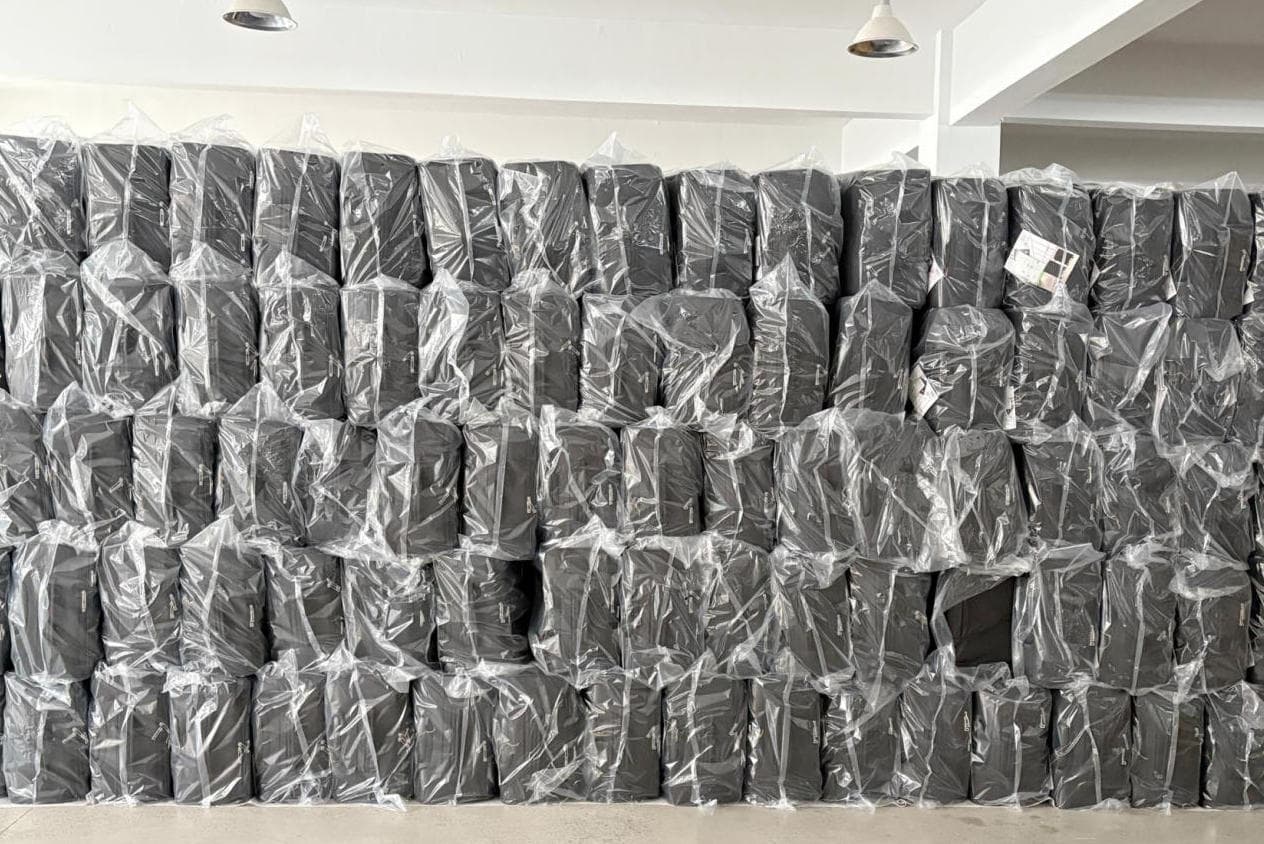 |
Buyers maintaining consistent MOQ commitments typically benefit from:
|
A reliable factory partnership enables brands to improve inventory forecasting, accelerate product launches, and reduce operational risks.
In highly competitive luggage markets, stable manufacturing relationships can become a major supply chain advantage.
MOQ Supports Sustainable and Responsible Manufacturing
Sustainability has become increasingly important in the European travel goods market. Efficient large-scale production helps reduce:
- Material waste
- Repeated machine setup energy consumption
- Fragmented transportation emissions
- Unnecessary production inefficiencies
Consolidated manufacturing runs improve energy efficiency and optimize resource utilization throughout the production cycle.
For brands focused on ESG goals and sustainable sourcing strategies, optimized MOQ planning supports:
- Lower environmental impact
- Better operational efficiency
- Reduced supply chain waste
- More responsible manufacturing practices
As environmental regulations and consumer expectations continue evolving, scalable production strategies are becoming essential for long-term global brand development.
MOQ and European Compliance Standards
European luggage imports must comply with strict regulations and certification requirements, including:
- REACH compliance
- BSCI social responsibility standards
- Product durability testing
- Material safety verification
Maintaining these standards requires continuous investment in:
- Laboratory testing
- Factory audits
- Quality control systems
- Engineering validation processes
Stable production volumes allow manufacturers to efficiently implement:
- Wheel durability simulations
- Trolley handle fatigue testing
- Zipper lifespan testing
- Salt spray corrosion testing
- Structural impact resistance testing
Without sufficient production scale, maintaining these testing standards becomes financially difficult.
For importers, MOQ is therefore not simply a purchasing requirement—it is a strategic investment in compliance assurance, product safety, and long-term brand protection.
Partner with a Professional OEM & ODM Manufacturer
At Zabaggo, we believe MOQ should support business growth rather than limit it. Our vertically integrated supply chain and ISO-certified manufacturing system allow us to combine large-scale production efficiency with flexible customization support.
From wholesale collections to fully customized suitcase projects, we help global buyers achieve reliable scalability, stable quality control, and optimized supply chain performance.
Ready to Optimize Your Luggage Sourcing Strategy?
Whether you are launching a new brand or expanding your wholesale business, choosing the right MOQ strategy can significantly improve your operational efficiency.
Contact Us Today to Discuss Your Next Project